
Zavalio com Review 2026: Features, Safety, Publishing Tools & Creator Guide

Every year, a fresh batch of “creator-first” publishing platforms shows up promising better reach, fairer pay, and freedom from the algorithm. Zavalio com Some are real. Some are barely more than a landing page with a signup form. And a growing number exist mainly to generate SEO buzz around a product that doesn’t have much behind it yet.
If you’re a writer, blogger, or digital creator thinking about moving your work to a new home, a little detective work upfront can save you months of wasted effort. This guide walks through exactly how to check whether a platform deserves your content, your audience, and your trust before you hit publish.
Why Vetting Matters Zavalio.com More Than Ever
The creator economy has exploded. Millions of people now call themselves digital creators, and new platforms pop up constantly to chase that growth. That’s good news for competition, but it also means the barrier to launching a slick-looking “publishing ecosystem” has never been lower.
Here’s the thing: a polished website doesn’t prove a company is legitimate. Neither does a wave of near-identical review articles calling something the “next big thing” in digital publishing. Real platforms leave a paper trail company registration, press coverage, actual users you can talk to. New scams and low-effort clones usually don’t, and that gap is exactly what you’re checking for.
Start With the Company Behind the Platform
Before you look at features, look at who’s actually running the show. Who owns this platform? Is there a real company name, a business address, or a founder with a LinkedIn profile and a work history that checks out? Zavalio.com Search that name on its own, separate from the platform’s marketing pages, and see what comes up.
You’d be surprised how often this step alone answers your question. Legitimate platforms think Medium, Substack, Ghost, or Beehiiv are easy to trace back to real companies with funding histories, executive teams, and years of operating history you can verify through sources like Crunchbase, SEC filings, or straightforward news coverage.
If a platform has none of that, and its “About” page reads like marketing copy with no names attached, treat that as a yellow flag rather than proof of fraud. New platforms are allowed to be new. But they should still be findable.
Check Whether Independent Sources Actually Cover It
This is the step most people skip, and it’s the most revealing one. Search for the platform’s name alongside words like “review,” “complaints,” or “reddit.” Then look closely at who is writing about it.
If every single result comes from lookalike blogs with generic names, vague author bios, and nearly identical wording, you’re not looking at independent coverage. Zavalio.com You’re looking at a content farm a network of low-quality sites built specifically to flood search results with positive-sounding reviews.
This tactic is common enough that it has its own pattern: articles that describe the same product in the same phrases, packed with impressive-sounding but unverifiable statistics, and published within days or weeks of each other across unrelated-looking domains.
Real platforms, on the other hand, tend to show up in places that don’t need SEO tricks to get noticed: TechCrunch, The Verge, industry newsletters like Press Gazette or Nieman Lab, or organic conversation on Reddit and Hacker News from actual users, good and bad. If you can’t find a single skeptical or mixed review anywhere, that’s not a sign of a flawless product. It’s usually a sign nobody real has used it yet.
Read More About: MagzyMinutes com Review (2026): Complete Guide to Its Features, Content & User Experience
Read the Privacy Policy and Terms of Service Actually Read Them
Nobody enjoys reading terms of service, but for a platform holding your writing, your audience data, and possibly your payment information, it’s worth ten minutes. A few things to check:
| What to Look For | Why It Matters |
| Does the platform claim ownership of your content? | Some terms grant the platform broad rights to reuse or resell what you publish |
| Is there a clear data privacy policy? | Vague or missing privacy language often means your data isn’t handled carefully |
| Can you export your content and subscriber list? | Platforms that lock in your audience make it painful to leave later |
| Is there a real refund or cancellation policy? | Missing or contradictory policies are a common red flag |
| Who has legal jurisdiction? | A platform based in a jurisdiction with weak consumer protections adds risk |
If the terms of service page is thin, generic, or clearly copy-pasted from a template with placeholder text still visible, that tells you something about how much care went into the platform’s foundations.
Test the Actual Publishing Experience Zavalio.com
Marketing copy can promise a smooth creator dashboard and effortless article publishing. The only way to know if that’s true is to try it yourself. Zavalio.com Sign up with an email you don’t mind risking, and go through the motions: write a short post, upload an image, check how the editor handles formatting, and see what the preview looks like on both desktop and mobile.
Pay attention to small details. Does the site load quickly, or does it stall and glitch? Is the mobile experience actually responsive, or does it just claim to be? Are there broken links, placeholder text, or features that are advertised but not yet built?
None of these things are catastrophic on their own every platform has rough edges early on but a pattern of unfinished or broken features suggests the product isn’t ready for your real audience yet, whatever the homepage says.
Look Closely at the Monetization Claims
Monetization is often where platforms oversell the most, so don’t take income promises at face value. Ask specific questions: What percentage does the platform take from subscriptions or tips? When and how do creators actually get paid weekly, monthly, only after a minimum threshold? Is there a public, verifiable payout history anywhere, like a Stripe or PayPal integration you can confirm independently?
Be especially cautious of specific, impressive-sounding earnings figures with no name, link, or way to verify them attached phrases like “a creator earned $2,400 last month” mean very little without a real person you can find and ask.
Established platforms are usually upfront and boring about their cut: Substack takes 10% plus payment processing fees, Medium’s Partner Program pays based on member reading time, and both of those numbers are documented and consistent across every source you check. If a new platform’s numbers shift depending on which article you read, that’s worth noticing.
Compare It Honestly Against What You Already Know Works
You don’t need to reinvent your evaluation process for every new platform. Hold it up against the tools already proven in the creator economy and ask what it actually does differently.
WordPress gives you full ownership and control of your site, at the cost of more setup work.
Substack built its reputation on audience growth through email and a transparent revenue split.
Medium offers built-in content discovery through its Partner Program, though payouts depend on platform algorithms you don’t control.
Ghost focuses on independent publishing with membership and newsletter tools, and it’s open-source, so you can verify exactly how it works.
If a new platform can’t clearly explain what it does better than these established options not in vague terms like “creator-first” or “algorithm-free,” but in specific, checkable ways that’s worth sitting with before you commit your time.
Watch for the Warning Signs, All in One Place
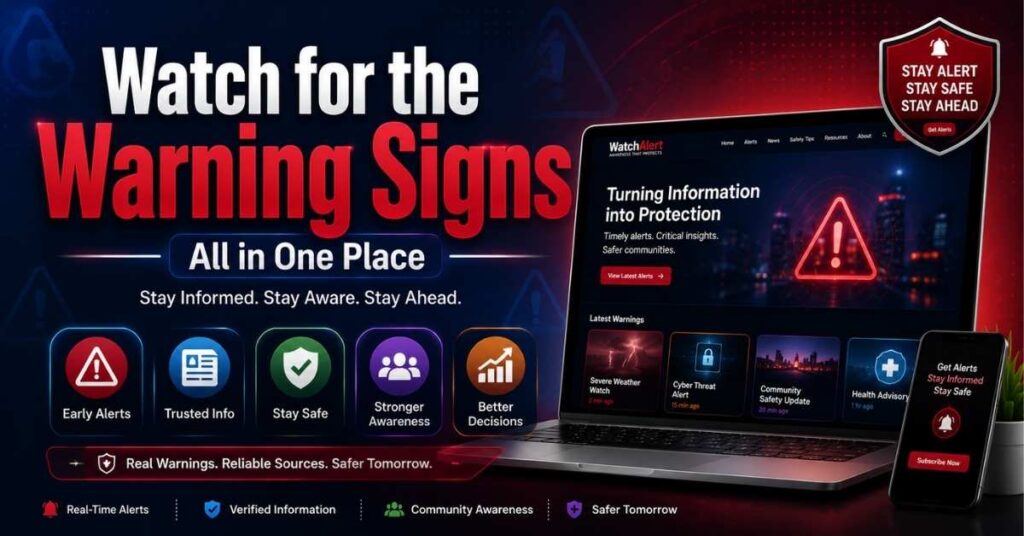
A few patterns show up again and again with platforms that turn out to be low-quality or not worth your time:
Vague, repeated marketing language across every page, with phrases like “creator-first” or “fair and transparent” doing a lot of work without being backed by specifics. A total absence of a real team, company registration, or contact information beyond a generic form.
Reviews that all read like they came from the same template, published across dozens of unrelated-looking websites within a short window.
Earnings claims with impressive numbers and no verifiable source behind them. Zavalio.com Terms of service that are missing, incomplete, or contradict the marketing claims elsewhere on the site.
None of these signs alone means a platform is fake. But when you see three or four of them stacked together, that’s a strong signal to wait and watch rather than commit your audience and archive right away.
Read More About: WallPostMedia com Review (2026): Features, How It Works, Pros, Cons & Complete Guide
A Simple Pre-Publish Checklist
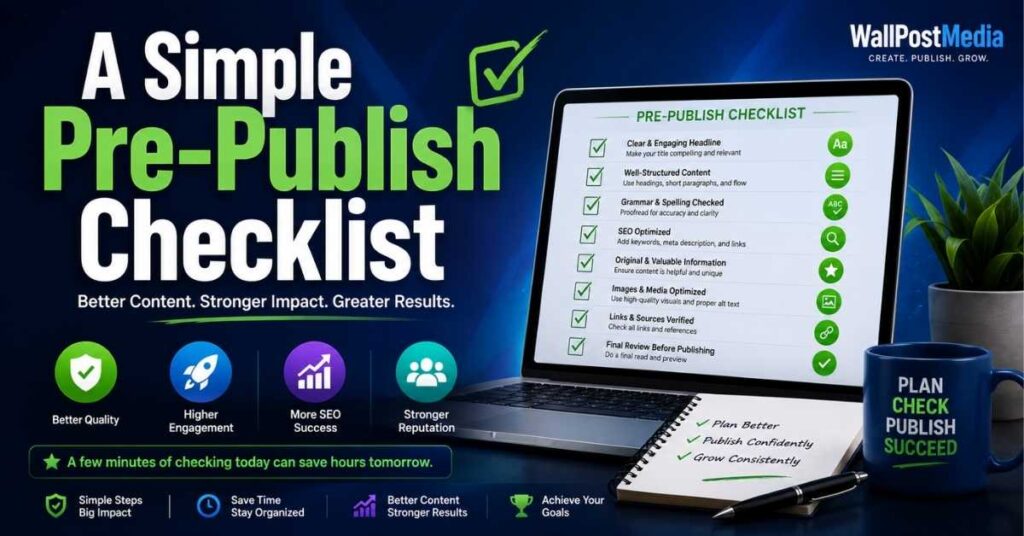
Before you move your writing anywhere new, run through this short list:
Can you find the company and its founders outside of the platform’s own marketing?
Does independent, skeptical coverage exist anywhere online?
Have you actually read the privacy policy and terms of service?
Have you tested the publishing tools yourself, not just watched a demo?
Are the monetization numbers specific, consistent, and verifiable?
Can you export your content if you decide to leave?
If you can answer yes to most of these, you’re in reasonably safe territory. If you’re stuck on more than one or two, it’s worth waiting a few months and watching how the platform develops before you commit anything you’d hate to lose.
The Bottom Line
New publishing platforms aren’t inherently risky, and plenty of good ones started small before they earned trust. The difference between a smart bet and a wasted year usually comes down to how much homework you did first.
Take the time to trace the company, read past the marketing language, test the tools yourself, and treat big promises with healthy skepticism until you can verify them independently.
Your writing, your audience, and your time are worth protecting. A few hours of careful checking now is a small price for avoiding a platform that turns out to be all promise and no substance.
Frequently Asked Questions
Is it safe to publish on a brand-new platform?
It can be, as long as you go in with your eyes open. Keep a backup of everything you publish, avoid platforms that won’t let you export your content, and don’t move your entire archive over on day one. Test the water with a few posts first.
How long should I wait before trusting a new platform?
There’s no fixed rule, but six months to a year gives you a reasonable window to see whether a platform keeps its promises, pays creators on time, and survives past its launch hype. Watch how it handles its first wave of user complaints that tells you more than any homepage ever will.
What if I can’t find any reviews at all, positive or negative?
Silence is its own signal. A platform with zero organic conversation anywhere no Reddit threads, no forum mentions, no independent write-ups probably just doesn’t have real users yet. That’s not proof of a scam, but it does mean you’d be an early tester, not a customer joining a proven platform.
Should I trust a platform’s own case studies and testimonials?
Treat them as marketing, not evidence. A testimonial becomes useful only when you can trace it to a real, findable person a public profile, a linked article, a verifiable social account. Anonymous quotes with impressive numbers and no name attached don’t hold up to scrutiny.
Is it a bad sign if a platform is new and doesn’t have much press coverage yet?
Not automatically. Every platform, including the ones people trust today, started with zero coverage at some point. What matters is whether the company is transparent about who runs it and how it works, even while it’s small. New and quiet is fine. New and evasive is the combination worth avoiding.
Conclusion
New publishing platforms aren’t inherently risky, and plenty of good ones started small before they earned trust. The difference between a smart bet and a wasted year usually comes down to how much homework you did first. Take the time to trace the company, read past the marketing language, test the tools yourself, and treat big promises with healthy skepticism until you can verify them independently.
Your writing, your audience, and your time are worth protecting. A few hours of careful checking now is a small price for avoiding a platform that turns out to be all promise and no substance.


